

Dentist Retirement Lifestyle Planning
Design and fund your ideal retirement lifestyle
From Working to Retirement - The Lifestyle Shift
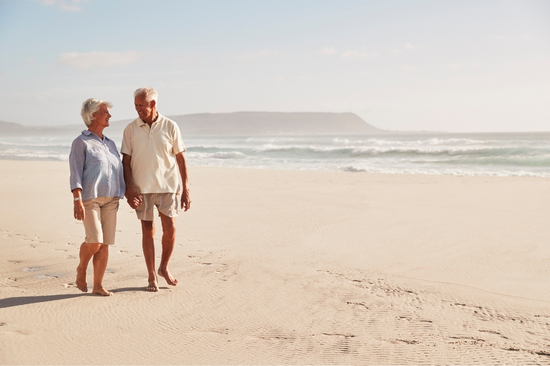
Retirement replaces 40-50 work hours weekly with discretionary time. Successful retirees plan purposeful activities: travel (2-4 major trips/year, 4-6 shorter trips), hobbies and learning (golf, photography, courses, languages), volunteer work and giving back, fitness and wellness activities, social connections and clubs, family time (grandchildren, gatherings), and second career or consulting. Government of Canada retirement planning for Canadian dentists resources provide valuable tools for lifestyle and financial planning. Budget considerations: some costs decrease (work wardrobe, commuting, work meals = -$8K-$12K/year), others increase (travel, leisure, healthcare = +$15K-$25K/year). Net retirement spending: 70-80% of pre-retirement income for comparable lifestyle.
Retirement Lifestyle Categories & Costs
Active Retirement ($150K-$200K/year)
Extensive travel (3-5 major international trips/year), maintain recreation property or winter residence, regular dining and entertainment, pursue expensive hobbies (golf, boating, skiing), support family financially, active social calendar and clubs. Requires substantial investment portfolio ($3.5M-$5M+) or generous pension/corporate income.
High-activity lifestyle typical for successful practice owners with strong retirement savings. Provides maximum freedom and flexibility.
Comfortable Retirement ($100K-$150K/year)
Regular travel (2-3 international trips, 3-4 domestic trips/year), pursue hobbies and interests, maintain home and vehicle, occasional dining and entertainment, some family financial support, comfortable living without extravagance. Requires moderate portfolio ($2.5M-$3.5M) or combination income/portfolio.
Most common target for retiring dentists. Balances lifestyle goals with financial security. Sustainable from typical practice sale proceeds plus savings.
Modest Retirement ($70K-$100K/year)
Limited travel (1-2 trips/year), simple hobbies and activities, minimal dining out, budget-conscious lifestyle, focus on free/low-cost activities, careful spending management. Requires smaller portfolio ($1.5M-$2.5M) or relies primarily on CPP/OAS/modest savings. Still comfortable but with spending discipline required.
Appropriate for dentists who sold smaller practices or saved less during career. Comfortable living but requires budgeting and spending awareness.
Essential Retirement ($50K-$70K/year)
Minimal discretionary spending, limited travel, basic housing and transportation, reliance on government benefits (CPP, OAS), careful budget management essential, focus on free activities and entertainment. Covers needs but limited wants. Requires either minimal assets or continued part-time work.
Minimum viable retirement level. Appropriate for late-career planning issues or unexpected circumstances. May benefit from continued part-time associate work.
Sample Retirement Budget - Comfortable Lifestyle ($130K/year)
Requires $3M portfolio at 4.3% withdrawal rate plus CPP/OAS for sustainable comfortable retirement
Planning Your Purpose & Activities
Identify Your Retirement Priorities
What activities bring you joy and fulfillment? Travel destinations you've always wanted to visit? Hobbies or skills you want to develop? Time with family and grandchildren? Volunteer causes you care about? Second career or consulting opportunities? Social connections and community involvement? Physical fitness and health goals? Write down your top 5-10 retirement priorities and estimate time and cost requirements for each.
Test Your Retirement Vision
Take extended vacation (4-6 weeks) to simulate retirement lifestyle before committing. Try activities you think you'll enjoy-many retirees discover their assumptions were wrong. Talk to retired colleagues about their experiences-what worked, what didn't. Consider phased retirement (reduce to 3 days/week for 1-2 years) to test waters. Identify activities that provide purpose, structure, and social connection. Retirement satisfaction correlates more with purposeful activity than financial resources.
Build Your Retirement Budget
Start with current spending and adjust: subtract work-related expenses (-$10K-$15K), add retirement activities (+$20K-$30K), include healthcare and insurance (+$10K-$15K). Build in buffer for inflation (2-3%/year) and unexpected expenses. Track spending in first 2-3 years of retirement and adjust budget based on reality. Many retirees spend more in early active years (age 55-70), moderate in middle years (70-80), increase in later years (80+) due to healthcare needs.
More in Retirement & Transitions
Continue exploring topics in this category







Explore Other Topics
Discover more resources for your financial journey


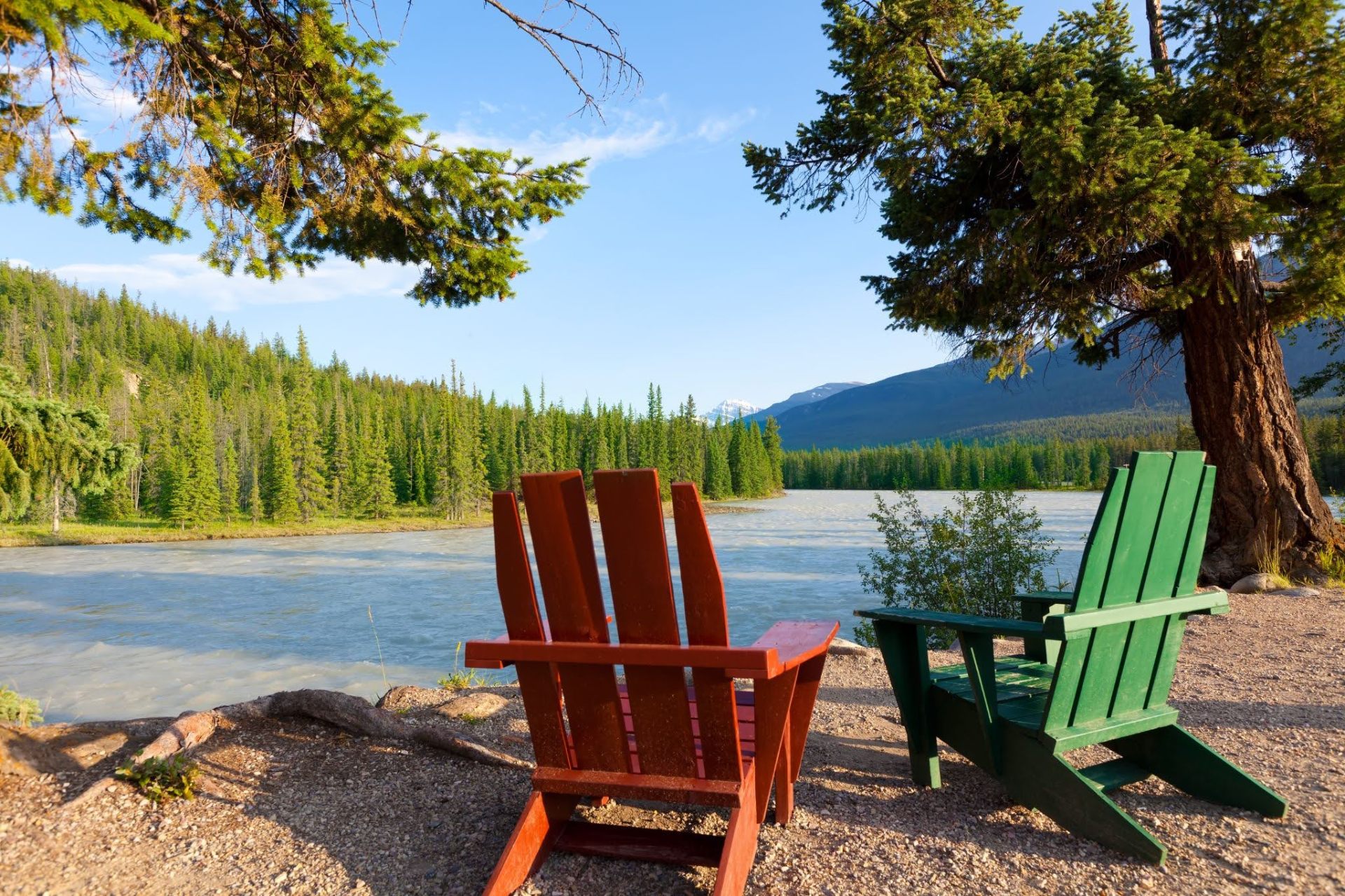
Design Your Ideal Retirement Lifestyle
Successful retirement requires more than financial planning - it requires purposeful lifestyle design aligned with your values, interests, and financial resources.
We'll help you clarify your retirement vision, build a realistic budget, and ensure your finances support the lifestyle you desire.