

Dental Practice Due Diligence & Valuation
Thoroughly evaluate before you invest
Practice Valuation Methods
| Practice Type | Revenue Multiple | Cash Flow Multiple | Example Valuation |
|---|---|---|---|
| General Practice | 0.6-1.0x annual revenue | 3-5x discretionary earnings | $1M revenue = $600K-$1M value |
| Specialty Practice (Ortho, Perio, Endo) | 0.8-1.2x annual revenue | 4-6x discretionary earnings | $1M revenue = $800K-$1.2M value |
Factors affecting valuation: patient retention rates, equipment condition and age, lease terms, staff stability, growth trajectory, local competition levels, insurance mix, and accounts receivable quality. The Canadian Dental Association (CDA) provides resources on practice transitions.
Typical Overhead Breakdown
High overhead of 65%+ indicates inefficiency or seller extracting excessive discretionary expenses
Financial Analysis Checklist
Revenue Analysis (3 Years)
Review gross revenue trends - growing, stable, or declining? Verify with tax returns and production reports. Analyze revenue sources including fee-for-service versus insurance mix, new patient trends, and procedure mix.
Calculate revenue per active patient (typically $400-$600).
Overhead Ratio
Target 50-60% total overhead including owner salary equivalent. Typical breakdown: staff 25-30%, rent 6-8%, lab 8-12%, supplies 5-7%, other 8-12%.
High overhead of 65%+ indicates inefficiency or the seller extracting excessive discretionary expenses.
Patient Base Quality
Active patients (seen within 18 months): 1,200-2,000+ for solo practice. Analyze patient age distribution, recall compliance rates, treatment acceptance rates, accounts receivable aging (under 60 days ideal). High accounts receivable (90+ days) signals collection problems.
Equipment & Technology
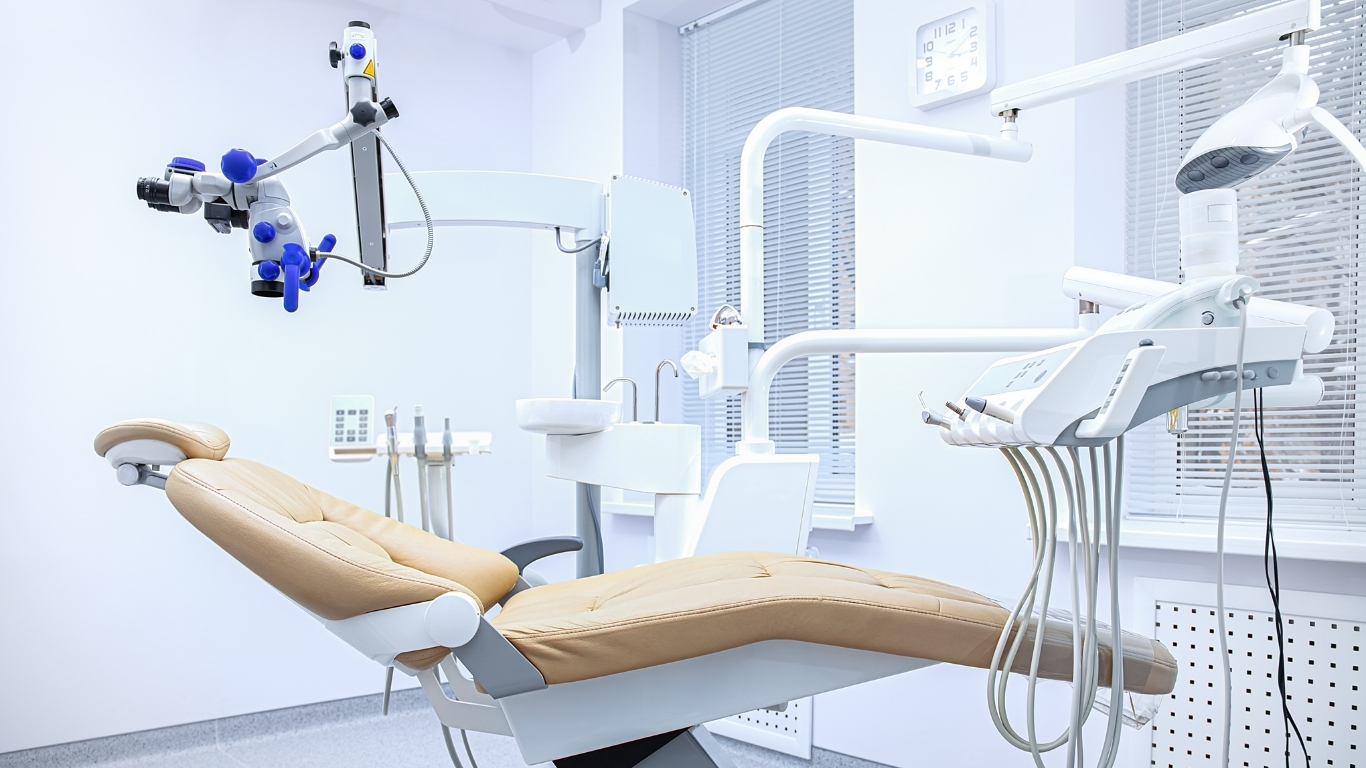
Get independent appraisal of equipment value and condition. Digital vs film x-rays, computerized vs paper records, modern vs outdated operatory equipment. Major equipment replacement needs ($50K-$200K) should adjust purchase price downward.
Critical Red Flags
Revenue Declining 3+ Years
Systematic decline without clear explanation (seller health, outdated systems) suggests fundamental practice problems. Turnaround requires significant investment, risk, and time - price should reflect this or walk away.
Seller Unwilling to Stay 2-3 Months Transition
Legitimate seller wants smooth handoff for patient goodwill and staff stability. Refusal to transition signals either hidden problems or lack of confidence in practice viability post-sale. Major warning sign.
High Accounts Receivable or Outstanding Debt
Accounts receivable over 90 days indicates collection problems or insurance billing issues. Undisclosed equipment leases, loans, or liens transfer to buyer unless specifically excluded in agreement. Always run UCC and lien searches.
Professional Team for Due Diligence
Dental CPA ($3,000-$5,000)
Reviews financial statements, analyzes tax returns, verifies revenue claims, assesses overhead, calculates discretionary earnings, identifies financial red flags. Essential investment that typically saves 10-20x their fee through better negotiation.
Business Lawyer ($5,000-$10,000)
Drafts purchase agreement, reviews lease, negotiates terms, handles closing, ensures clean title transfer. Protects against legal liabilities, unclear terms, or unfavorable clauses. Critical for limiting buyer risk and liability.
Equipment Appraiser ($1,500-$3,000)
Independent valuation of dental equipment, identifies necessary replacements, estimates remaining useful life. Prevents overpaying for outdated or high-maintenance equipment. Appraisal often supports lower purchase price negotiation.
Insurance & Estate Implications
When evaluating practice purchase, understand seller's corporate insurance structure. Corporate-owned life insurance policies may affect valuation if included in asset sale. Life insurance cash value represents corporate asset that could disqualify capital gains exemption if excessive relative to active business assets.
For buyers, consider implementing key person insurance on seller during transition period (2-5 years). If seller dies or becomes disabled during critical transition, insurance provides capital to stabilize practice and recruit replacement dentist without financial strain.
More in Practice Ownership
Continue exploring topics in this category







Explore Other Topics
Discover more resources for your financial journey





Conduct Thorough Due Diligence
Due diligence protects your investment and ensures you understand exactly what you're buying. We'll help you assemble the right team and analyze all aspects of the practice.
Let's review the practice together and make an informed acquisition decision.