
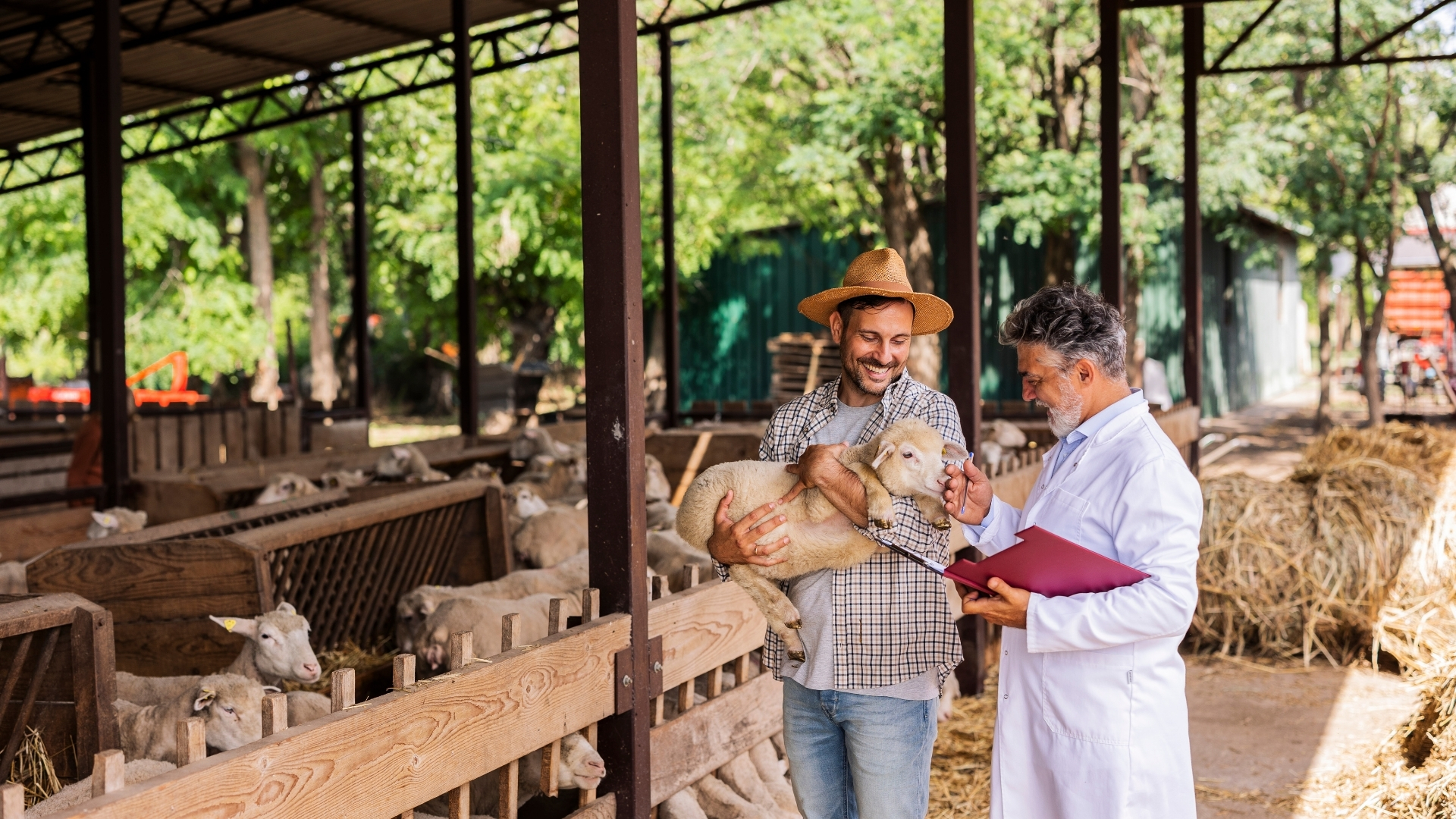
Veterinary Mixed Animal Practice
Balancing diverse veterinary services
Financial Planning for Mixed Animal Practices
Mixed animal practitioners serve both companion animals and livestock, creating unique operational and financial complexities. Revenue streams vary seasonally requiring careful cash flow management, equipment needs span multiple species, and practice valuation becomes more nuanced than single-focus practices.
Strategic planning helps balance the demands of diverse client bases while building sustainable practice value through proper tax planning. Understanding service line profitability and optimizing your mix over time is essential for long-term financial success.
Key Planning Areas
Service Mix
Optimize balance between companion and large animal revenue for maximum overall profitability.
Seasonal Cash
Manage significant seasonal revenue variations common in agricultural community practices.
Equipment Planning
Strategically invest in equipment serving multiple species to maximize utilization rates.
Work-Life Balance
Structure on-call coverage and emergency services for sustainable long-term practice operation.
Revenue Breakdown by Service Line
Understanding profitability by species helps optimize your service mix over time for maximum returns.
| Service Category | Typical Revenue % | Profit Margin | Seasonality | Growth Trend |
|---|---|---|---|---|
| Companion Animal | 40-60% | 35-45% | Steady year-round | 5-8% annually |
| Bovine/Dairy | 15-25% | 20-30% | Calving peaks | 1-3% annually |
| Equine | 10-20% | 25-35% | Spring-Fall peaks | 2-4% annually |
| Small Ruminants | 5-15% | 20-28% | Lambing/Kidding | 3-5% annually |
| Swine/Poultry | 5-10% | 15-25% | Variable | 1-2% annually |
Equipment Investment Guide
Mixed practices require significant equipment investment spanning multiple species. Strategic purchasing and proper tax treatment are essential.
| Equipment | Typical Cost | Expected Lifespan | Tax Treatment |
|---|---|---|---|
| Mobile Vet Unit/Truck | $80,000-150,000 | 8-10 years | CCA Class 10 |
| Portable Digital X-ray | $35,000-60,000 | 7-10 years | CCA Class 8 |
| Portable Ultrasound | $15,000-45,000 | 5-8 years | CCA Class 8 |
| Large Animal Stocks/Chute | $8,000-25,000 | 15-20 years | CCA Class 8 |
| Anesthesia Equipment | $20,000-40,000 | 10-15 years | CCA Class 8 |
| Laboratory Equipment | $25,000-50,000 | 7-10 years | CCA Class 8 |
Seasonal Cash Flow Management
Agricultural cycles create predictable cash flow patterns. Planning around these cycles is essential for financial stability.
| Period | Companion Activity | Large Animal Activity | Cash Flow | Recommended Action |
|---|---|---|---|---|
| January-February | Moderate | Low - calving prep | Low | Use reserves, plan spring orders |
| March-April | High (spring wellness) | Peak calving season | Rising | Collect receivables aggressively |
| May-June | Very High | Breeding season | Peak | Build reserves, prepay expenses |
| July-August | Moderate | Moderate | Moderate | Vacation/CE, maintain reserves |
| September-October | High (fall wellness) | Pregnancy checks, weaning | High | Maximize collections |
| November-December | Moderate-Low | Low | Declining | Tax planning, year-end purchases |
Practice Valuation Considerations
Mixed practices typically sell at lower multiples than companion-only practices due to complexity and buyer pool limitations.
| Valuation Factor | Companion Only | Mixed Practice | Large Animal Only |
|---|---|---|---|
| Revenue Mix | 0.7-0.9x revenue | 0.5-0.7x revenue | 0.3-0.5x revenue |
| Client Transferability | High | Moderate | Lower - relationship dependent |
| Equipment Needs | Moderate | High | Very High |
| Geographic Dependency | Low-Moderate | High | Very High |
| Successor Availability | Good | Challenging | Very Challenging |
Common Mistakes to Avoid
Underpricing farm calls
Consequence: Large animal work becomes unprofitable subsidy of companion revenue
Solution: Calculate true costs including drive time, fuel, and opportunity cost - charge accordingly
Poor accounts receivable management
Consequence: Agricultural clients may delay payment 60-90+ days, creating cash flow crisis
Solution: Require payment at service for routine work, establish clear credit terms for emergencies
Inadequate vehicle/equipment reserves
Consequence: Major breakdown disrupts practice when unable to fund replacement quickly
Solution: Maintain equipment replacement fund of $50,000+ for mobile practice continuity
Not tracking service line profitability
Consequence: Cross-subsidization masks unprofitable services that drain resources
Solution: Implement service-specific tracking to identify and address underperforming segments
Ignoring transition planning
Consequence: Mixed practices are hardest to sell - lower buyer pool for combined skills
Solution: Start succession planning 10+ years out, consider splitting services for sale
Keys to Success
Strategic Service Mix Evolution
Gradually shift mix toward higher-margin companion services while maintaining agricultural relationships that provide steady base revenue.
Geographic Efficiency
Cluster farm calls geographically, schedule companion appointments around large animal routes to maximize billable time.
Seasonal Cash Management
Build 4-6 months operating reserves to smooth seasonal fluctuations. Collect aggressively during peak seasons.
Equipment Utilization Planning
Invest in dual-purpose equipment when possible. Prioritize portable diagnostics that serve both companion and large animal.
Official Canadian Resources
More in Special Scenarios
Continue exploring topics in this category






Explore Other Topics
Discover more resources for your financial journey





Turn Your Wealth Into Meaningful Impact
Whether you want to build a legacy, involve your family, or support causes close to your heart, our team will guide you every step of the way.
Let's design a philanthropic strategy that reflects your values - today and for generations to come.