
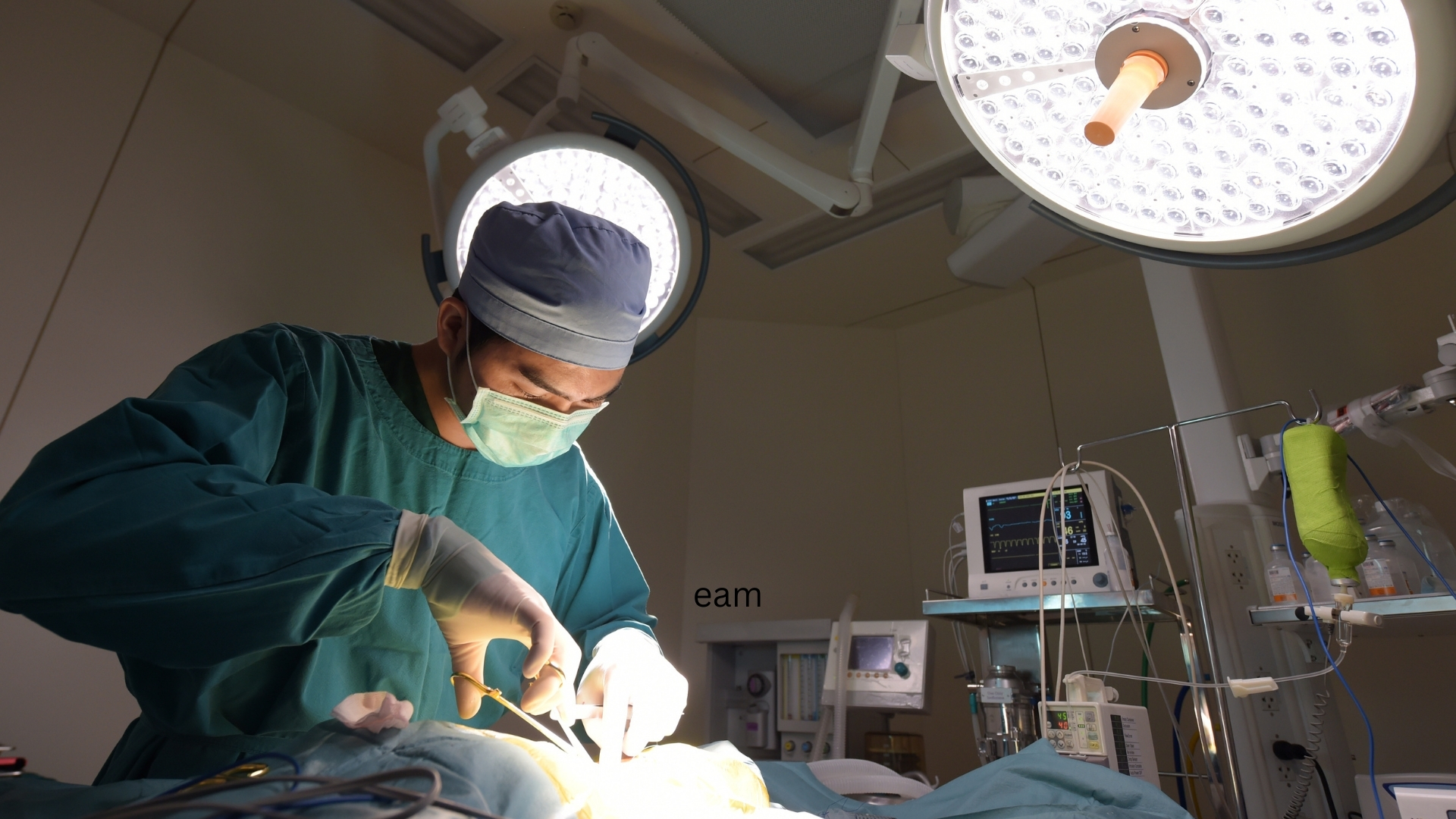
Veterinarian Emergency Practice
Financial planning for critical care
Financial Planning for Emergency Veterinarians
Emergency and critical care veterinarians face demanding schedules with overnight shifts, weekend work, and high-stress environments. These unique working conditions require tailored financial strategies including robust disability insurance that account for higher income potential but limited career sustainability.
Higher hourly compensation can accelerate wealth building, but burnout risks require planning for potential career transitions. Strategic financial planning including maximizing RRSP and TFSA contributions ensures you capture the financial benefits of ER work while building toward a sustainable long-term career.
Key Planning Areas
Shift Premiums
Maximize financial benefit of overnight and weekend shift differentials to accelerate savings.
Variable Income
Manage income fluctuations from production-based emergency compensation and bonus structures.
Burnout Planning
Build financial runway for potential career transitions or reduced emergency hours over time.
Work Sustainability
Plan for gradual reduction in demanding emergency shifts as your career naturally progresses.
Emergency DVM Compensation Structure
Emergency veterinarians typically earn 30-50% more than general practice colleagues, but compensation structures vary significantly by role and experience.
| Role | Base Salary | Shift Differential | Production | Total Compensation |
|---|---|---|---|---|
| Staff Emergency DVM | $110,000-140,000 | 15-25% | 18-22% | $130,000-180,000 |
| Senior Emergency DVM | $130,000-160,000 | 15-25% | 20-25% | $160,000-220,000 |
| Emergency Medical Director | $150,000-180,000 | 10-15% | 22-28% | $180,000-280,000 |
| Criticalist (DACVECC) | $180,000-250,000 | 10-20% | 25-30% | $220,000-350,000 |
| ER Hospital Partner | Variable | N/A | Equity share | $250,000-500,000+ |
Shift Schedule Impact Analysis
Different shift patterns significantly impact income, lifestyle, and career longevity. Choose strategically based on your financial goals.
| Schedule Type | Lifestyle Impact | Income Impact | Burnout Risk | Career Longevity |
|---|---|---|---|---|
| Standard Days (9-5) | Excellent | Lower base | Low | 20+ years |
| Swing Shifts (3-11pm) | Moderate | 15% premium | Moderate | 15-20 years |
| Overnights (11pm-7am) | Challenging | 25% premium | High | 8-12 years |
| Rotating All Shifts | Difficult | 20% premium | Very High | 5-10 years |
| Weekends Only (Fri-Sun) | Variable | 30% premium | Moderate | 10-15 years |
Burnout Prevention Financial Plan
Build financial runway that gives you options as career demands shift over time.
| Career Milestone | Financial Action | Target Savings |
|---|---|---|
| Years 1-3 | Build emergency fund (12 months expenses) | $50,000-80,000 |
| Years 3-5 | Max RRSP and TFSA contributions | $150,000-250,000 |
| Years 5-8 | Develop transition skills/certifications | $300,000-450,000 |
| Years 8-10 | Reduce overnight shifts, increase day work | $450,000-600,000 |
| Years 10+ | Transition to management or day practice | $600,000+ |
Career Transition Options
| Transition Path | Income Impact | Lifestyle Change | Preparation Needed |
|---|---|---|---|
| Day Practice General | -30 to -40% | Significantly better | 2-3 years savings |
| ER Medical Director | +10 to +20% | Moderately better | 5+ years ER experience |
| Specialty Residency | -60% during training | Temporary sacrifice | $100,000+ savings |
| Corporate Relief | Variable | Flexible | Network building |
| Telemedicine/Triage | -20 to -30% | Excellent | Tech certifications |
Common Mistakes to Avoid
Lifestyle inflation with high income
Consequence: Golden handcuffs - trapped in demanding shifts due to expenses
Solution: Live on 60% of income, save 40% for transition flexibility
Ignoring burnout warning signs
Consequence: Career-ending compassion fatigue or health crisis
Solution: Monitor stress indicators, schedule regular breaks, use mental health resources
No exit strategy planning
Consequence: Forced to continue demanding work into late career
Solution: Develop transition plan by year 5, build alternative income streams
Undervaluing sleep and recovery
Consequence: Chronic health issues and shortened effective career
Solution: Prioritize recovery time between shifts, use blackout curtains, limit consecutive nights
Not tracking shift premium impact
Consequence: Underestimating true hourly value and income potential
Solution: Calculate effective hourly rate including all premiums and production
Keys to Success
Aggressive Early Savings
Your highest earning potential is in early ER years. Maximize savings while energy and tolerance for challenging shifts is highest.
Strategic Shift Selection
Negotiate schedules that balance income with sustainability. Three 12-hour shifts may beat five 10-hour shifts.
Continuous Skill Development
Pursue certifications (RECOVER, toxicology) and consider board certification to increase value and options.
Build Day Practice Relationships
Maintain connections with general practitioners for referrals and potential transition opportunities.
Official Canadian Resources
More in Special Scenarios
Continue exploring topics in this category








Explore Other Topics
Discover more resources for your financial journey






Turn Your Wealth Into Meaningful Impact
Whether you want to build a legacy, involve your family, or support causes close to your heart, our team will guide you every step of the way.
Let's design a philanthropic strategy that reflects your values - today and for generations to come.