Disability Insurance for Manufacturing Business Owners
Protecting personal income and business operations when illness or injury prevents you from working
Disability insurance for manufacturing business owners in Canada provides essential protection to replace lost income, cover business overhead expenses, and fund buy-sell agreements during an illness or injury.
Manufacturing owners face elevated disability risks compared to many other business owners due to the physical nature of their work environments, exposure to heavy machinery, and the hands-on operational involvement that many owner-operators maintain throughout their careers. Without adequate disability coverage, a single injury or illness can simultaneously eliminate the owner's personal income and destabilize the entire manufacturing operation.
Why Manufacturing Owners Face Higher Disability Risk
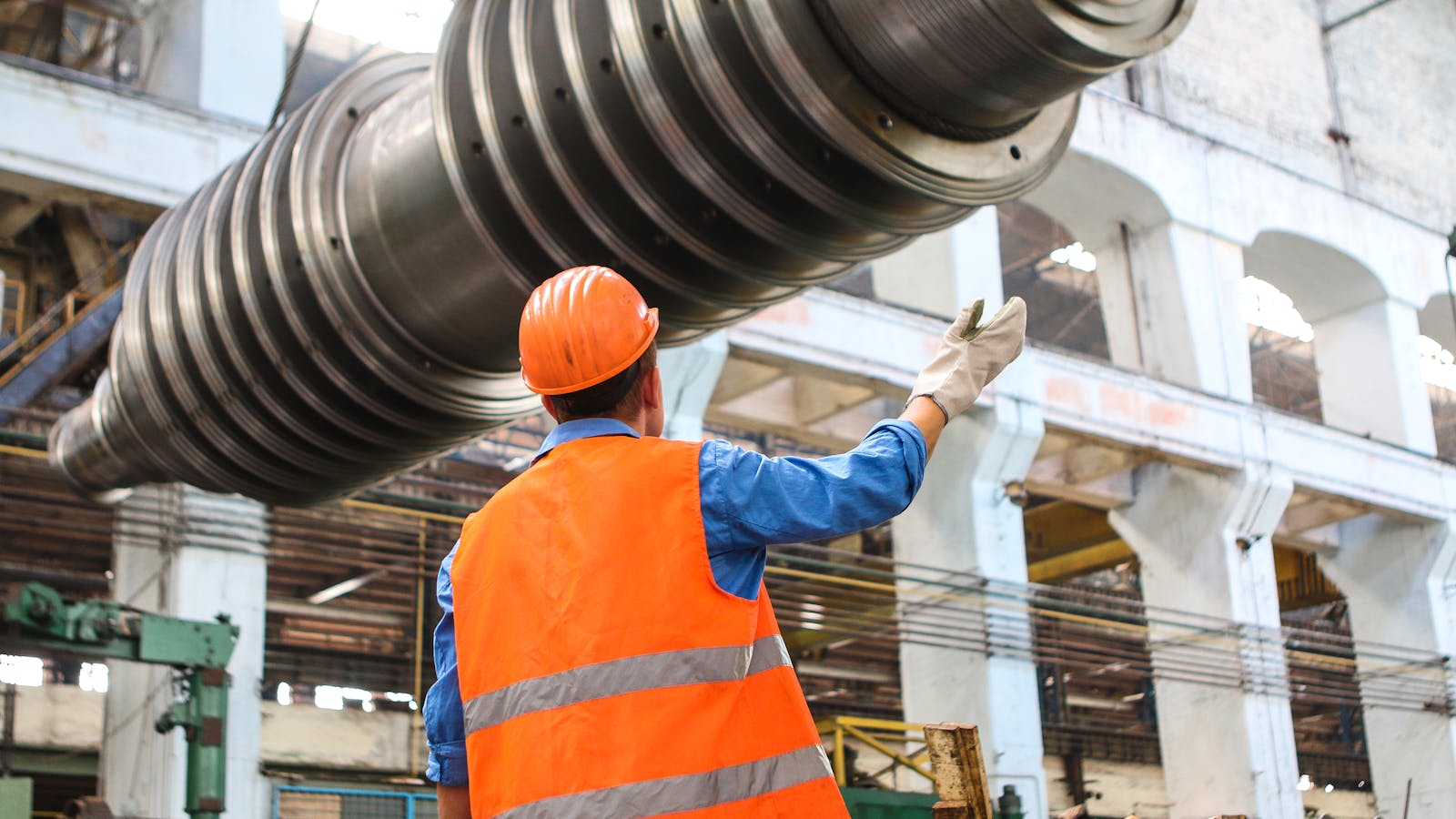
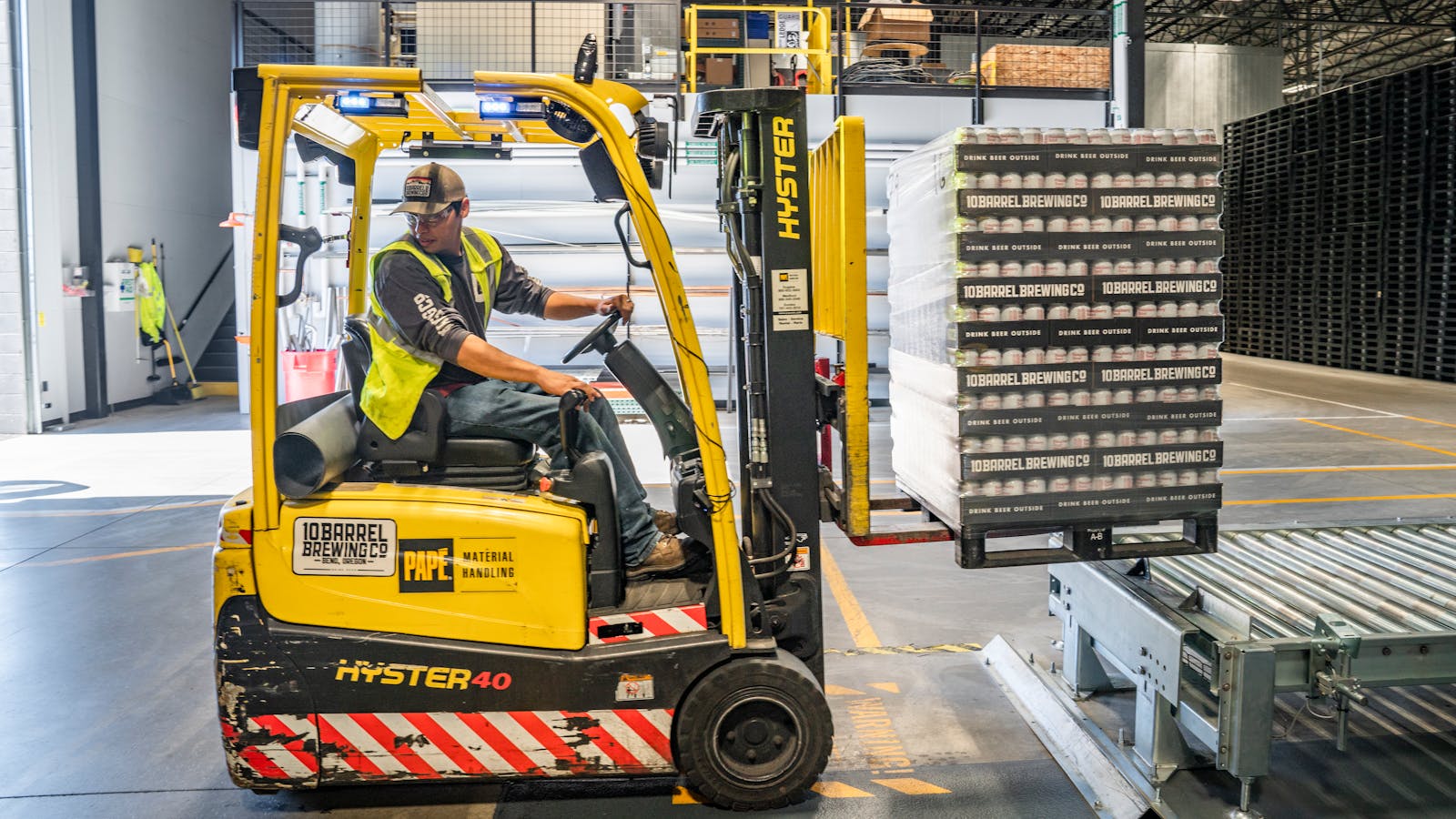
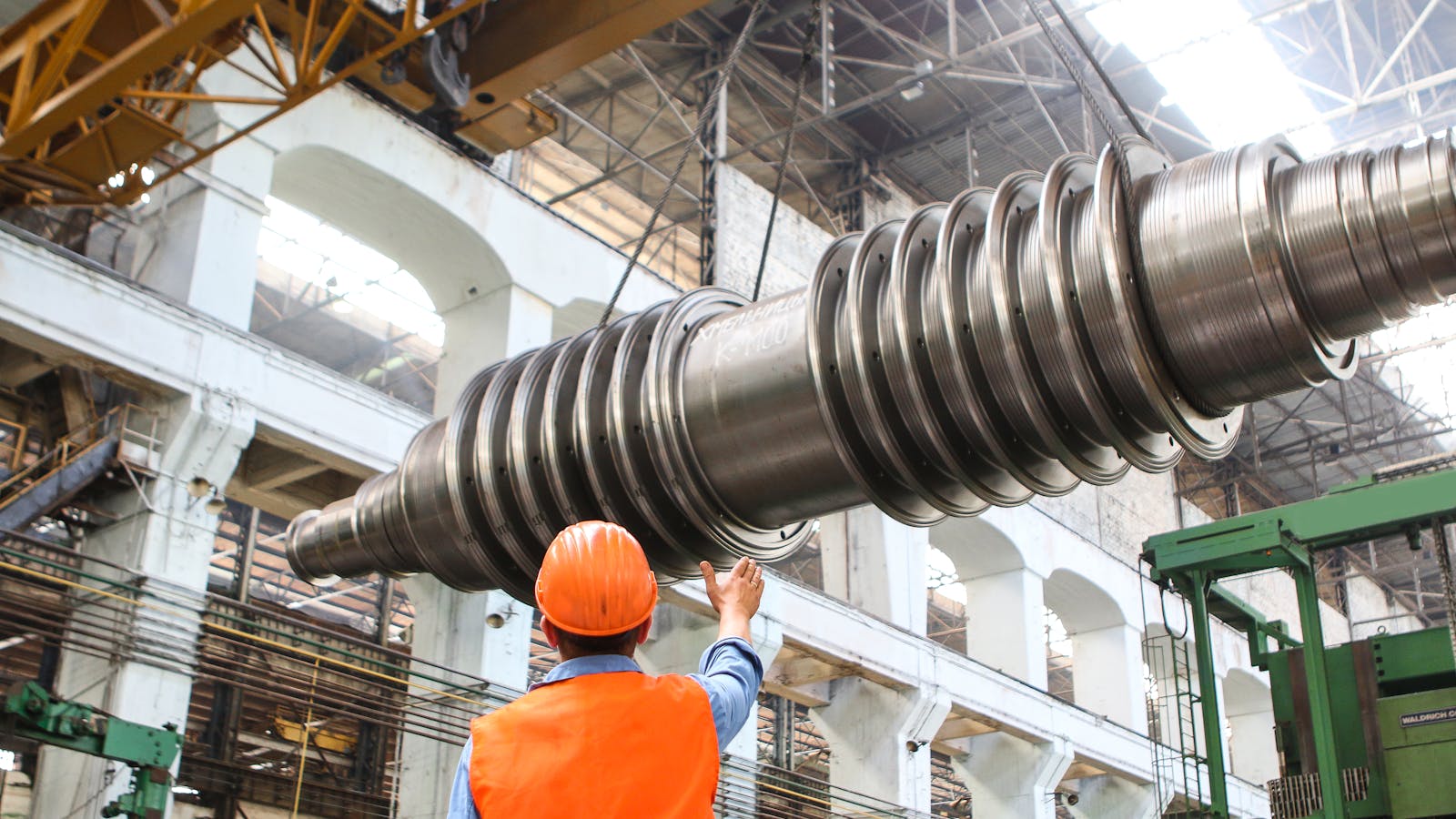
The manufacturing environment presents unique disability risks that make comprehensive coverage essential for business owners. Repetitive strain injuries, back problems from physical labour, exposure to industrial chemicals, and accidents involving heavy equipment are all common in manufacturing settings.
Even owners who have transitioned to primarily management roles often maintain hands-on involvement in production, quality control, and equipment maintenance. A comprehensive disability strategy addresses both the personal income loss and the business operational disruption that occurs when the owner cannot work, integrating with your financial planning for manufacturing owners.
Individual Disability Insurance for Manufacturing Owners
Individual disability insurance replaces personal income when a manufacturing owner cannot perform their occupational duties due to illness or injury. Policies typically cover sixty to seventy percent of pre-disability income, with monthly benefits that can exceed ten thousand dollars for higher-earning owners.
The most important policy feature for manufacturing owners is the definition of disability. Own-occupation coverage pays benefits when the insured cannot perform the specific duties of their own occupation, even if they could theoretically perform other work.
Business Overhead Expense Insurance
Business Overhead Expense insurance covers the ongoing fixed costs of a manufacturing operation when the owner is disabled and unable to manage the business. Covered expenses typically include rent or mortgage payments on facilities, employee salaries, utility costs, equipment lease payments, insurance premiums, and professional fees.
For capital-intensive manufacturing operations with high fixed costs, BOE insurance prevents the business from deteriorating during the owner's absence by ensuring that essential expenses continue to be paid.
Key Person Disability Insurance
Key person disability insurance protects the manufacturing business when a crucial individual, whether the owner or a key employee, becomes disabled and cannot contribute to operations.
The policy provides a lump sum or monthly benefit to the business that can be used to hire replacement talent, cover lost revenue, or fund the additional costs of operating without the key person's expertise.
In manufacturing, where specialized technical knowledge and customer relationships often reside with a small number of individuals, the loss of a key person can significantly impact production efficiency, quality standards, and customer retention.
Buy-Sell Agreement Disability Funding
Disability insurance can fund buy-sell agreements between manufacturing business partners, providing a lump sum to purchase a disabled partner's shares if they become permanently unable to work.
Without this funding mechanism, a permanent disability creates an impossible situation where the disabled partner needs liquidity from their ownership stake while the remaining partners lack the capital to buy them out. Disability-funded buy-sell agreements establish a predetermined purchase price and funding mechanism that activates automatically upon qualifying disability.
Own-Occupation Versus Any-Occupation Definitions
The definition of disability within an insurance policy determines when benefits are payable and represents the most critical policy feature for manufacturing owners. Own-occupation coverage pays benefits when the insured cannot perform the material duties of their specific occupation as a manufacturing business owner.
Any-occupation coverage only pays when the insured cannot perform the duties of any occupation for which they are reasonably qualified by education, training, or experience. For manufacturing owners, the distinction is crucial because a back injury that prevents physical involvement in production might not prevent desk work in an entirely different field.
Coordination with Workers Compensation and Group Benefits
Manufacturing owners must understand how individual disability insurance coordinates with provincial workers compensation programs and any group benefits coverage. Workers compensation typically covers workplace injuries but does not cover illness or off-the-job injuries, and benefits may be limited compared to the owner's actual income.
A comprehensive disability strategy layers individual coverage on top of group and workers compensation benefits to ensure that total income replacement approaches the owner's actual pre-disability earnings.
Tax Treatment of Disability Insurance
The tax treatment of disability insurance premiums and benefits depends on who pays the premiums and how the policy is structured. When the corporation pays individual disability insurance premiums, the premiums are a taxable benefit to the owner but the resulting benefits are received tax-free.
When the owner pays premiums personally with after-tax dollars, benefits are also received tax-free. Business Overhead Expense insurance premiums paid by the corporation are deductible as a business expense, but benefits received are taxable income to the corporation.
Elimination Periods and Premium Optimization
The elimination period is the waiting time between the onset of disability and when benefits begin, and it significantly affects premium costs. Manufacturing owners with adequate emergency reserves can select longer elimination periods of ninety or one hundred twenty days to reduce annual premiums substantially.
Those with limited personal savings may need shorter thirty or sixty day elimination periods to avoid financial hardship during the waiting period.
Building a Comprehensive Disability Strategy
A complete disability insurance strategy for manufacturing owners typically includes individual disability coverage for personal income replacement, BOE insurance for business expense coverage, and potentially key person or buy-sell disability funding depending on the ownership structure.
Each component addresses a different financial risk, and together they ensure that neither the owner's personal finances nor the business operations are devastated by a disability event.
More in Manufacturing
Continue exploring topics in this category












Protect Income and Operations from Disability
Ready to protect your income and manufacturing business from the financial impact of disability?
Book a consultation with SG Wealth Management to discuss your coverage needs, policy definitions, and premium optimization strategies.