
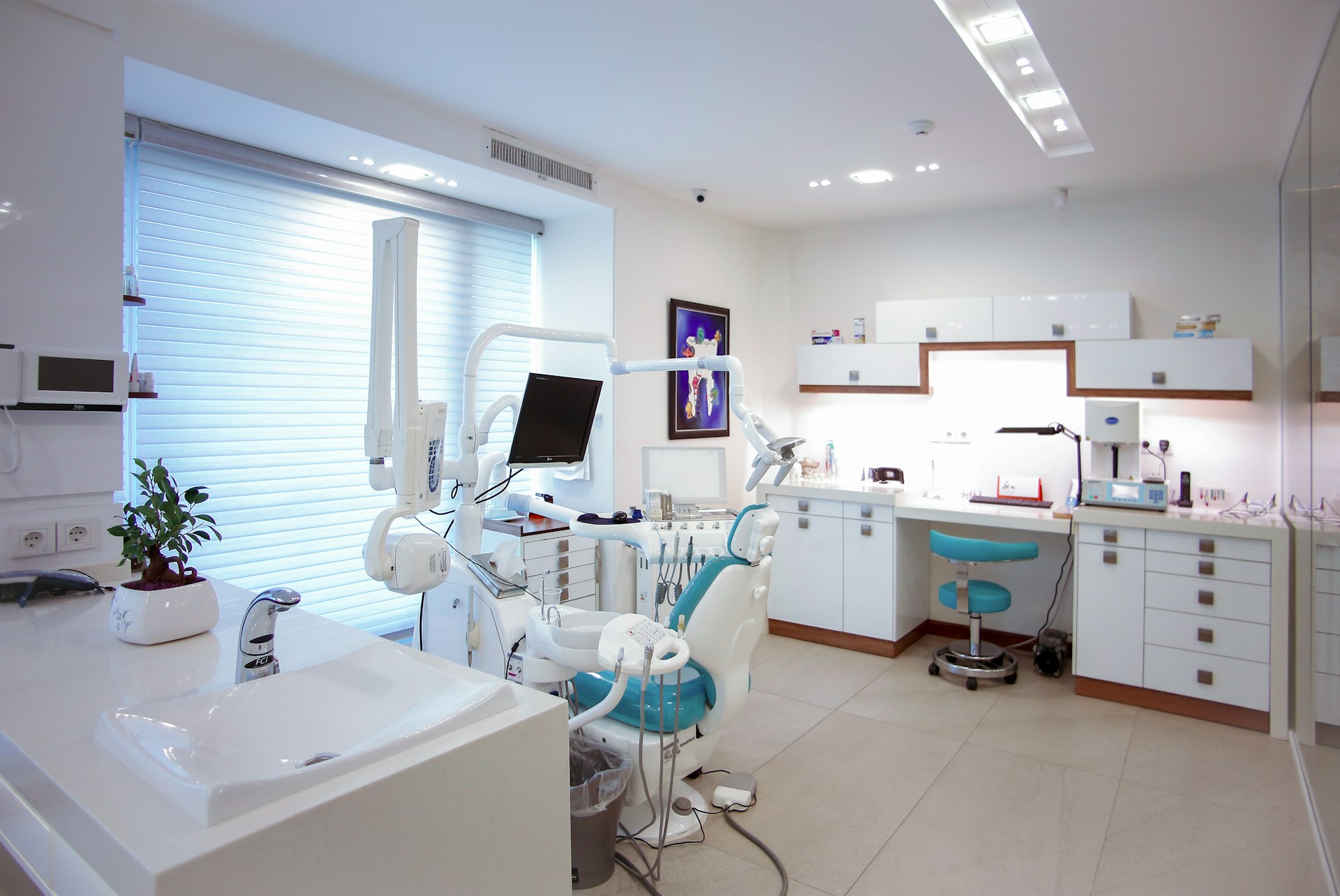
Dental Practice Bankruptcy & Recovery
Financial recovery and fresh start strategies
Practice Financial Distress
Practice failure occurs due to: poor location selection, insufficient patient base, excessive debt servicing, unexpected competition, economic downturn, personal issues (divorce, illness, addiction), poor management, embezzlement. Warning signs: missing payroll, supplier payment delays, maxed credit lines, declining production, staff turnover, mounting CRA tax arrears. Options before bankruptcy: sell practice (even at loss), bring in partner/investor, debt restructuring/consolidation, consumer proposal (personal debt), corporate restructuring (business debt). Consult a Licensed Insolvency Trustee as bankruptcy is last resort but sometimes necessary for fresh start.
Options for Financial Recovery
Consumer Proposal (Personal Debt)
Legal agreement through Licensed Insolvency Trustee to settle personal debts for less than owed. Typical settlement: 30-50% of debt over 5 years. Freezes interest, stops collection actions, protects from creditors. Credit impact: R7 rating for 3 years after completion. Retains assets (home, RRSP). Can continue practicing. Example: $300K personal debt settles for $120K paid over 60 months ($2K/month). Alternative to personal bankruptcy while addressing unmanageable debt.
Corporate Restructuring
If practice incorporated, corporate debt separate from personal debt (unless personally guaranteed). Options: negotiate with creditors for payment plans, sell practice to pay debts, wind down corporation voluntarily. If debts personally guaranteed (likely for practice loans), guarantor liable. Consider corporate bankruptcy vs personal bankruptcy. Corporate bankruptcy eliminates corporate debts, protects personal assets (unless guaranteed). Professional corporation rules vary by province. Legal and insolvency advice essential.
Personal Bankruptcy
Last resort: eliminates most debts but significant consequences. Surrenders non-exempt assets (home equity beyond exemption, investments). Retains: tools of trade (dental equipment), RRSPs (except contributions past 12 months), basic household goods, personal vehicle (limited value). Must pay surplus income to trustee based on income. Discharged in 9-21 months (first bankruptcy). Can continue practicing (dental license unaffected). Credit severely damaged (R9) for 6-7 years. Stigma and professional reputation impact. Only when debts truly unmanageable.
Debt Negotiation & Settlement
Before formal insolvency, attempt direct negotiation with creditors. Many willing to settle for lump sum (50-70% of balance) to avoid bankruptcy loss. Example: $200K credit card/line of credit debt, negotiate lump sum settlement $100K-$140K. Requires cash (borrow from family, sell assets, liquidate investments). Protects credit, avoids bankruptcy stigma. Tax consequence: forgiven debt may be taxable income. Legal advice recommended to ensure proper settlement documentation and creditor release.
Important asset protection note: Permanent life insurance for dental professionals cash values are creditor-protected in most Canadian provinces under provincial insurance acts. Planning ahead by establishing insurance policies preserves some assets even during financial crisis, providing foundation for rebuilding. This protection emphasizes importance of early insurance planning before financial difficulties arise.
Rebuilding After Financial Crisis
Fresh Start as Associate
Post-insolvency, become associate dentist. Earn $150K-$200K/year with zero debt, zero stress, zero business risk. Focus on clinical dentistry. Rebuild savings and credit. Live modestly, save aggressively. Achieve financial stability in 3-5 years. Consider future ownership only if truly viable and lessons learned applied.
Credit Rebuilding
Post-bankruptcy/proposal: obtain secured credit card, make all payments on time, keep balances low, pay in full monthly. Build positive payment history. After 2-3 years, credit score recovers substantially. After 6-7 years, bankruptcy removed from report. Patient rebuilding essential for future borrowing capacity.
Financial Management Skills
Learn from failure: understand what went wrong, develop business management skills, improve financial literacy, create budgets and track spending, build emergency fund, avoid excessive debt, seek professional advice proactively. Many successful dentists experienced early failure and rebuilt successfully with improved skills and perspective.
Future Ownership Decision
Evaluate honestly whether practice ownership suitable. Some dentists thrive as associates without business stress. If considering future ownership: ensure proper due diligence, adequate capitalization, conservative debt levels, strong business management skills, realistic expectations. Partnership may be preferable to sole ownership for risk sharing.
More in Special Scenarios
Continue exploring topics in this category






Explore Other Topics
Discover more resources for your financial journey





Navigate Financial Crisis Strategically
Practice financial distress is stressful but solvable with proper guidance. Multiple options exist before bankruptcy, and fresh start possible after insolvency.
We provide compassionate, strategic financial guidance for dentists facing practice insolvency, debt restructuring, and financial recovery planning.