
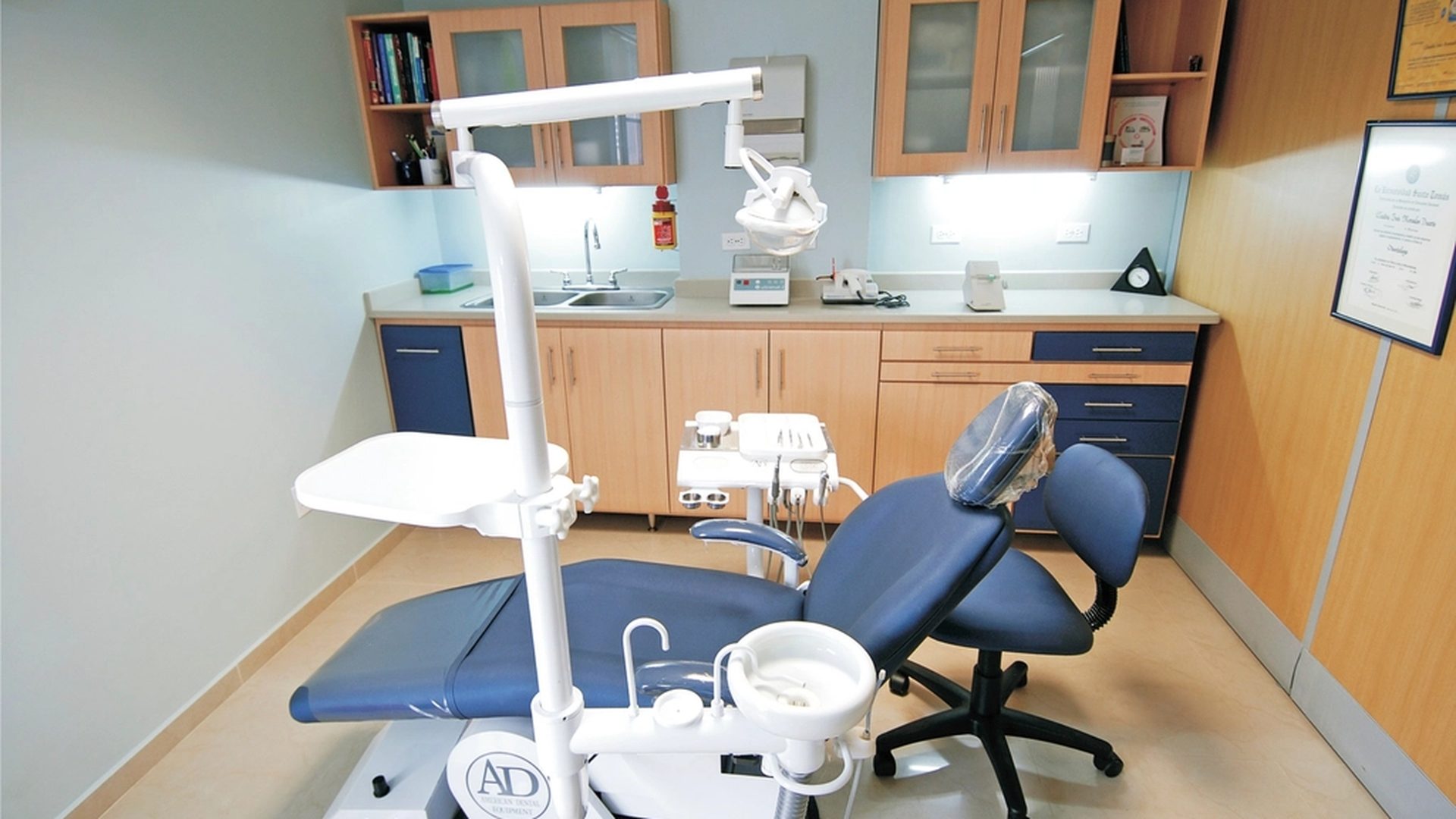
When Should a New Dental Associate Incorporate? A Financial Timeline
Dentist Insights | SG Wealth Management
Understand the financial timeline for incorporating your dental practice.
What is the best way to pay off dental school debt?
The best way to pay off dental school debt is to implement a structured repayment strategy that balances aggressive debt reduction with essential wealth-building activities.
Canadian dental graduates often face debt loads between $300,000 and $400,000. A common approach is to allocate a significant portion of your early associate income to debt repayment, aiming for a 5 to 10-year payoff period. However, it is equally important to begin funding tax-advantaged accounts like TFSAs and RRSPs.
Once your high-interest debt is manageable and you are generating surplus income, incorporating can provide a tax-efficient vehicle to accelerate your overall financial plan.
What is the dental school debt repayment strategy?
A comprehensive dental school debt repayment strategy involves prioritizing high-interest loans, such as credit cards or personal lines of credit, before tackling lower-interest student loans or government debt.
Many new associates choose to live below their means for the first few years of practice, directing a large percentage of their income toward debt.
Additionally, exploring opportunities in rural or under served areas can offer higher choosing between salary and dividend compensation and potential government loan forgiveness programs. As your debt decreases and your income rises, the transition to a professional corporation becomes the next logical step in your financial timeline.
The Financial Timeline for Dental Associates
The journey from graduation to incorporation is not a one-size-fits-all process, but it generally follows a predictable financial timeline.
Understanding these phases can help you prepare for the transition to a DPC. Phase 1: The First 1-2 Years (Debt Reduction and Cash Flow) In the first year or two of practice, your primary focus should be on establishing your clinical skills, managing your cash flow, and aggressively tackling your dental school debt.
During this phase, your income is likely needed to cover living expenses, loan payments, and initial investments in your career. Incorporating at this stage is rarely beneficial, as the setup costs (legal and accounting fees) and ongoing corporate compliance and reporting obligations requirements (annual corporate tax returns) will outweigh any tax deferral benefits if you are spending all the income you earn.
Phase 2: Years 3-5 (Surplus Income and Tax Planning) As your clinical speed improves and your patient base grows, your income will naturally increase. This is typically the phase where you begin to generate surplus income. Once you have maximized your RRSP and TFSA contributions and are still earning more than you need for personal expenses, the conversation about incorporation should begin.
The ability to leave surplus funds inside a DPC, taxed at the much lower small business rate, allows for faster compounding of wealth compared to investing personal after-tax dollars. Phase 3: Year 5 and Beyond (Practice Ownership and Wealth Accumulation) For many associates, the five-year mark is a turning point where practice ownership becomes a realistic goal. If you plan to purchase or start a dental practice, having an established DPC is highly advantageous.
It allows you to accumulate the necessary capital for a down payment more efficiently. Furthermore, when you transition to practice ownership, the DPC structure provides additional benefits, such as income splitting with family members (subject to TOSI rules) and access to the Lifetime Capital Gains Exemption (LCGE) when you eventually sell the practice.
Key Indicators That It's Time to Incorporate
While the timeline provides a general framework, specific financial indicators will signal the optimal time to incorporate your dental practice.
Consistent Surplus Income
The most critical indicator is the generation of consistent surplus income. If you are consistently saving $40,000 or more annually outside of your registered accounts, a DPC can provide significant tax deferral benefits.
The surplus funds can be invested within the corporation, allowing your wealth to grow faster due to the larger initial capital base.
Maximized Registered Accounts
Before incorporating, ensure that you are fully utilizing your RRSP and TFSA contribution room. These accounts offer tax-free or tax-deferred growth without the administrative costs associated with a corporation.
Once these avenues are maximized, a DPC becomes the next logical step for tax-efficient wealth accumulation.
Approaching Practice Ownership
If you are actively exploring practice ownership, incorporating as an associate can streamline the transition.
A DPC allows you to build retained earnings that can be used to fund the purchase of a practice. Additionally, structuring the purchase through a corporation can offer significant tax advantages and liability protection.
The Costs and Complexities of Incorporation
While the benefits of a DPC are substantial, it is essential to understand the associated costs and complexities.
Setting up a professional corporation involves legal and accounting fees, which can range from $2,000 to $5,000. Additionally, you will incur ongoing annual costs for corporate tax returns, minute book maintenance, and payroll administration. Furthermore, managing a DPC requires a higher level of financial discipline.
You must carefully track corporate vs. personal expenses, manage payroll or dividend distributions, and navigate complex tax rules, such as the Tax on Split Income (TOSI) and passive income rules.
Working with a specialized financial advisor who understands the unique needs of Canadian dentists is crucial to maximizing the benefits of your DPC while remaining compliant with Canada Revenue Agency (CRA) regulations.
Integrating Your DPC into a Comprehensive Wealth Strategy
Incorporating is not an isolated event; it is a foundational element of a comprehensive wealth management strategy.
Once your DPC is established, you can explore advanced planning opportunities, such as setting up an Individual Pension Plan (IPP) or utilizing Corporate-Owned Life Insurance (COLI) to protect your practice and facilitate tax-efficient wealth transfer.
By understanding the financial timeline and key indicators for incorporation, new dental associates can make informed decisions that set the stage for long-term financial success. Whether you are focused on debt repayment, saving for a practice purchase, or building a diversified investment portfolio, a well-timed transition to a Dentistry Professional Corporation is a powerful tool for Canadian dental professionals.
Frequently Asked Questions
80 The ⁄ rule in dentistry, often referred to as the Pareto Principle, suggests that 80% of a 20 dental practice's revenue is generated by 20% of its patients or procedures.
For a new associate, understanding this principle is crucial for maximizing clinical efficiency and income. By focusing on high-value procedures and building strong relationships with the top 20% of your patient base, you can accelerate your income growth, bringing you closer to the financial threshold where incorporation becomes highly advantageous.
What is the main takeaway of when should a new dental associate incorporate? a financial timeline? The decisions outlined above compound across tax, investment, and risk dimensions, so they should be reviewed as one integrated plan.
Who should consider this strategy? Canadian professionals whose corporate structure or career stage matches the scenarios above will benefit most from a tailored review.
How often should I revisit this plan? Most professionals benefit from an annual review, plus a deeper update whenever income, structure, or family circumstances change.
Where do I get tailored advice? Book a consultation with SG Wealth Management to translate these concepts into a documented plan.
Coordinate Tax Strategy With Long-Term Planning
Tax decisions inside a dental professional corporation don't happen in isolation. The choices you make about this area ripple into retirement timing, insurance design, and the eventual sale or transition of the practice.
SG Wealth Management works with incorporated dentists across Canada to coordinate tax, investment, and succession decisions inside a single integrated plan tailored to your career stage and province.